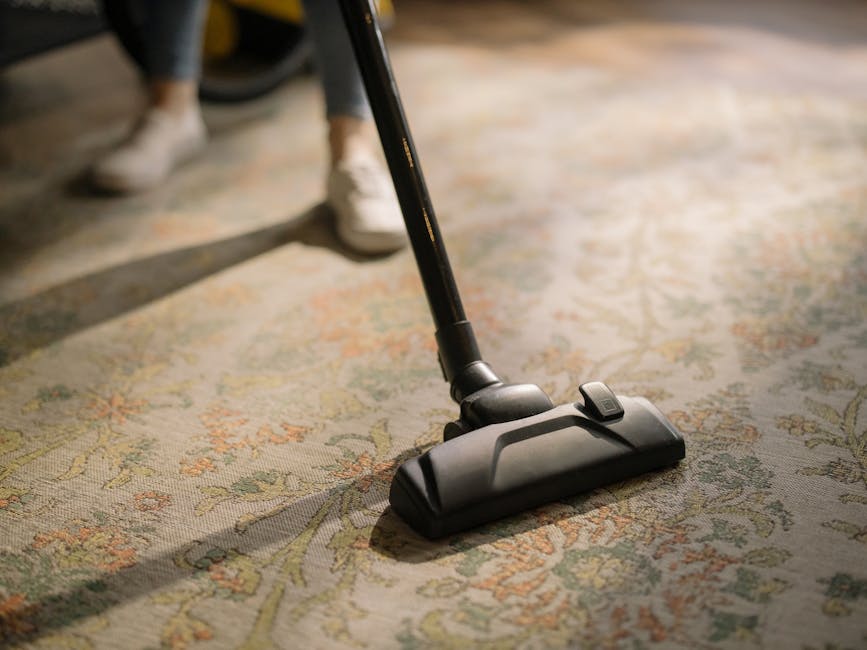
Bulky carpet removal: disposal options in Notting Hill
If you are staring at a rolled-up carpet in a hallway, on a stair landing, or squeezed into the back of a flat, you already know the problem: it is heavy, awkward, dusty, and never quite as easy to get rid of as it first looked. Bulky carpet removal in Notting Hill is one of those jobs that sounds simple until you have to move the thing down three flights of stairs, dodge a tight front step, and work out where it should actually go next. This guide breaks down the disposal options in clear, practical terms, so you can choose the safest, most sensible route for your home, rental, or business.
Whether you are replacing old fitted carpet, clearing after a renovation, or preparing a property for new flooring, the right disposal plan saves time, reduces mess, and helps you avoid common mistakes. And yes, in a place like Notting Hill, where access can be narrow and parking is never exactly generous, a bit of planning goes a long way.
Table of Contents
- Why bulky carpet removal matters in Notting Hill
- How bulky carpet disposal works
- Key benefits and practical advantages
- Who this is for and when it makes sense
- Step-by-step guidance
- Expert tips for better results
- Common mistakes to avoid
- Tools, resources and recommendations
- Law, compliance, standards and best practice
- Options and comparison table
- Case study or real-world example
- Practical checklist
- Conclusion
- Frequently asked questions
Why Bulky carpet removal: disposal options in Notting Hill Matters
Carpet is not just "soft waste". It is bulky, often dirty, sometimes damp, and can contain underlay, tack strips, adhesives, and even dust or allergens trapped over years of use. That makes disposal more complicated than putting out a black bag. In Notting Hill, the issue is amplified by the realities of local housing: basement flats, mansion blocks, mews homes, converted townhouses, and busy streets where large items are not always easy to move without planning.
Getting disposal wrong can create a few headaches. You may end up with a blocked hallway, missed collection, unwanted odours, or a pile of waste that sits around for days. Nobody wants that. Especially not when you are trying to finish a redecoration, hand back a rental, or simply get the job done before the weekend.
There is also a practical value in thinking beyond "throw it away". Some carpets can be reused, repurposed, or handled in a more efficient way if they are removed carefully. For property owners and landlords, good removal planning also helps protect floors, avoid damage to skirting boards, and keep the space presentable. If you are coordinating broader cleaning work too, you may find it useful to look at end of tenancy cleaning in Notting Hill or the wider services overview to see how removal and final clean-up can fit together.
Expert summary: The best carpet disposal option is rarely the quickest one on paper. It is usually the one that balances access, weight, cleanliness, timing, and the condition of the carpet itself.
How Bulky carpet removal: disposal options in Notting Hill Works
Most carpet disposal jobs follow a similar pattern, even if the property type changes. First, you assess what you have. Is it wall-to-wall carpet or a loose rug? Is it dry, heavily stained, or water-damaged? Is there underlay attached? A single room carpet is a very different beast from a full-house removal, and that difference matters.
Next comes removal. If the carpet is fitted, it is usually cut into manageable strips, rolled, and secured. This makes it easier and safer to carry. Underlay is often removed separately. In older properties, you may also encounter staples, gripper rods, adhesive residue, or dust built up under the edges. Truth be told, this is the point where many jobs become more time-consuming than expected.
Then you choose the disposal route. In broad terms, there are five main options:
- take it to a local reuse or recycling route, if the carpet is in suitable condition
- arrange a private bulky waste collection service
- use a skip, if you have legal space and permission for one
- transport it yourself to an appropriate waste facility, if available and practical
- include it within a wider clearance or refurbishment waste plan
The right route depends on size, weight, access, parking, timing, and whether you want the least disruption or the lowest possible cost. In Notting Hill, access often becomes the deciding factor. A carpet that looks "small enough" in the room can become awkward once it is rolled, tied, and carried down a narrow staircase. Been there? Most of us have.
Key Benefits and Practical Advantages
A well-planned carpet disposal process gives you more than a clear floor. It keeps the project moving and reduces avoidable stress.
- Cleaner finish: Removing carpet properly means you can inspect the floor beneath, spot damage, and prepare for cleaning or new flooring.
- Less disruption: A planned disposal option avoids carpet rolls sitting in the hallway for days.
- Safer handling: Heavy carpets, adhesive, and hidden staples can all cause injuries if rushed.
- Better property presentation: Useful for landlords, sellers, and anyone preparing a home for viewings.
- Smarter scheduling: Removal can be tied into decorating, deep cleaning, or moving day.
There is also a less obvious benefit: you make better decisions when you know the disposal route in advance. For example, if the carpet is destined for waste, you can cut and bag it correctly from the start. If there is a chance of reuse, you handle it more gently. That small difference can matter.
If your wider aim is to improve a property's condition before photography or handover, related local reading such as estate agent carpet prep for Holland Park listings can be a helpful companion guide. Not the same thing, but very much in the same practical universe.
Who This Is For and When It Makes Sense
Bulky carpet removal is relevant to a lot of people, not just people doing a full renovation. In fact, many removals happen because of everyday life: a spill that has gone too far, a pet accident that soaked into the underlay, a move-out deadline, or a long-overdue refresh after years of foot traffic.
This guide is especially useful if you are:
- a tenant trying to leave a property tidy and on time
- a landlord preparing a flat for new occupants
- a homeowner replacing old flooring
- a letting agent supporting a fast turnaround
- a small office or shop owner clearing worn carpet tiles or fitted carpet
- someone dealing with a water-damaged or unsalvageable carpet
It also makes sense when the carpet is simply too bulky for regular household disposal. That is common in Notting Hill's upper-floor flats and compact mews homes, where moving anything oversized becomes a negotiation with stairs, corners, and door frames. If the route out of the property looks tricky, that is your sign to plan rather than improvise.
For households that need a broader reset, you may also want to review domestic cleaning in Notting Hill or house cleaning in Notting Hill, especially if carpet removal is part of a larger refresh.
Step-by-Step Guidance
Here is a straightforward way to approach bulky carpet removal without overcomplicating it.
- Inspect the carpet. Check size, condition, dampness, smell, and whether underlay is still attached. If it is mouldy, waterlogged, or shedding fibres heavily, handle it with extra care.
- Measure access routes. Look at stair width, corners, front doors, lifts, hallways, and where the carpet will be taken out. You do not want to discover a tight turn halfway through.
- Choose your disposal route early. Decide whether the carpet is being reused, collected, taken away in bags, or loaded into a van. Do this before you start cutting.
- Prepare the space. Clear furniture, protect walls where needed, and keep a clean path to the exit.
- Cut the carpet into manageable strips. Smaller sections are easier to roll and transport. Keep the rolls firm.
- Remove underlay and fixings. Staple pins, nails, and gripper rods can be sharp. Take your time here.
- Bag or wrap smaller waste. Dust, offcuts, and loose bits should be contained, not left floating around the flat like confetti. Nobody wants carpet fluff in the kettle corner.
- Load or schedule collection. Keep the route clear and avoid leaving rolls in shared spaces longer than necessary.
- Clean the exposed floor. Vacuum, check for adhesive residue, and inspect for damage before the next stage begins.
A good rule of thumb: if the carpet removal takes more than one person can safely manage, stop trying to "muscle through" it. That is usually how scrapes, back strain, and chipped paint happen.
Expert Tips for Better Results
There are a few small choices that make a big difference.
First, handle the carpet while it is still dry if possible. Wet carpet is heavier, harder to roll, and more likely to smell. If you are dealing with moisture damage, plan for ventilation and faster disposal rather than leaving it to sit.
Second, keep tools simple and sensible. A utility knife, heavy-duty gloves, dust sheets, strong tape, and sturdy bin bags are usually enough for most domestic jobs. Fancy kit is not the point. Control is.
Third, think about timing in the context of the building. In shared blocks or converted properties, moving bulky waste early in the day may be less disruptive than late evening. That small bit of consideration goes a long way with neighbours.
Fourth, separate what can be reused. Some carpet remnants, underlay sections, or door bars may still be useful. If they are clean and in good condition, keep them aside before everything gets mixed together.
Fifth, pair disposal with cleaning. Once the carpet is out, it is the right time to vacuum edges, treat stubborn marks, and check for hidden stains or damp patches. If the carpet had pet issues, for example, the underlying floor may need extra attention. A related read like urgent pet urine treatment for Notting Hill flats can help you think through that kind of damage.
And one more thing: if you are trying to do this all on a tight schedule, do not underestimate how long the "final clean-up" takes. That's usually where the time goes. Funny, really. The carpet is gone, but the job is not quite over.
Common Mistakes to Avoid
Most carpet disposal problems are avoidable. They happen because people start too late, cut too much too quickly, or assume the waste will be easy to move once it is off the floor.
- Leaving access planning until the end. Stairwells and door frames can turn a simple strip into an awkward, bent-up mess.
- Forgetting underlay and fixings. These often create more mess than the carpet itself.
- Using oversized rolls. If one person cannot carry it safely, it is too big.
- Ignoring dust and debris. Carpet removal can stir up old dirt, so a mask or extra ventilation may be sensible in some cases.
- Mixing waste streams. Keep reusable items apart from general waste where possible.
- Blocking communal areas. In Notting Hill buildings, this can annoy neighbours and create avoidable issues with management.
Another easy mistake is assuming all carpet disposal is the same. It is not. A small rug, a stair runner, and a full lounge carpet all behave differently once you start carrying them. You will notice that fast enough, usually on the stairs.
Tools, Resources and Recommendations
You do not need a van full of equipment to handle bulky carpet removal well. What you do need is the right combination of tools and a sensible disposal plan.
| Item | Why it helps | Best used for |
|---|---|---|
| Utility knife | Lets you cut carpet into manageable strips | General removal work |
| Heavy-duty gloves | Protects hands from staples and rough backing | Removal and loading |
| Dust sheets | Keeps debris from spreading into clean areas | Occupied homes and shared access routes |
| Strong tape or ties | Keeps rolled carpet secure | Transport and collection |
| Vacuum cleaner | Clears dust, grit, and fibres from exposed floors | After removal |
| Stiff scraper | Helps remove adhesive residue | Floor preparation |
On the planning side, it is worth checking a few local service pages before you decide how to bundle the job. For example, if carpet disposal sits alongside a full property reset, the carpet cleaning in Notting Hill page and the broader services overview can help you think through the sequence of work. For reassurance about company standards and working practices, the health and safety policy, insurance and safety, and about us pages are useful reading as well.
Law, Compliance, Standards and Best Practice
Carpet disposal in the UK is not just a matter of convenience. Waste should be handled responsibly, and if you use a third party, it is sensible to expect lawful, proper disposal rather than guesswork. You do not need to become a compliance expert, but you should be cautious about who removes your waste and where it ends up.
In practical terms, best practice usually means:
- keeping waste secure during removal and transport
- avoiding obstruction in shared hallways or entrances
- using appropriate protective equipment for sharp or dusty materials
- separating reusable items where possible
- choosing a disposal method that fits the property and waste volume
If you are a landlord, managing agent, or business owner, it is wise to treat carpet waste as part of your broader duty of care for the premises. In multi-occupancy buildings, this also means being considerate with timing, noise, and communal access. Nothing dramatic, just proper housekeeping and a bit of neighbourly common sense.
Where there is any doubt about contamination, damp, mould, or unusual materials, pause and assess carefully. Old carpet that has been water-damaged or exposed to persistent pet odour may need extra containment, and you may want the floor checked before replacement. A relevant local article like Ladbroke Grove basement mould removal local solutions can be useful background if damp is part of the picture.
Options, Methods, or Comparison Table
Different disposal options suit different situations. Here is a simple comparison to help you weigh them up.
| Option | Best for | Pros | Watch-outs |
|---|---|---|---|
| Reuse or donation route | Clean, intact carpet in good condition | Less waste, potential cost savings | Not suitable for worn, stained, or damp carpet |
| Private bulky waste collection | Busy households and tight schedules | Convenient, usually low-stress | Needs clear access and correct preparation |
| Skip hire | Large renovation jobs | Good for mixed bulky waste | Space, permits, and placement can be tricky in Notting Hill |
| Self-transport to waste facility | Smaller loads and flexible owners | Control over timing | Time, parking, lifting, and vehicle size all matter |
| Combined clearance service | Full refurb or end-of-tenancy turnover | Streamlined, efficient, less coordination | May be more than you need for a single room |
For many Notting Hill properties, private collection or a combined clearance approach is the most realistic option. It keeps movement to a minimum and avoids having rolled carpet in a hallway while you wait for a free weekend. That said, if the carpet is in excellent condition, reuse should not be ignored. Waste is waste, but useful material is useful material.
Case Study or Real-World Example
Imagine a first-floor flat off a quiet Notting Hill side street. The owner is replacing an old lounge carpet after years of use, partly because of wear and partly because the room is being refreshed before new furniture arrives. The carpet is not huge, but it runs wall to wall and has been fitted over underlay that is now tired and dusty.
The first challenge is access. The stairwell is narrow, and there is a slight bend at the turn. Instead of trying to pull the carpet out in one piece, the owner cuts it into two long strips, rolls each one tightly, and secures them with tape. Underlay comes out separately, and the exposed floor is vacuumed before the rolls are moved. This avoids dragging debris through the stairwell and reduces the chance of scuffing the paintwork.
The second challenge is timing. Rather than leaving the carpet at the door for a day or two, the owner schedules the waste removal for the same day the stripping is done. Simple idea, but it keeps the flat tidy and avoids complaints from neighbours. The whole job still takes effort, of course, but it feels orderly instead of chaotic. That is usually the difference between a manageable home project and one that drags on.
If this kind of property reset is part of a bigger move or sale, it can help to read more about how to navigate Notting Hill's real estate market or Notting Hill property sales strategies. The cleaner and more organised the space, the easier everything tends to feel.
Practical Checklist
Use this quick checklist before you start. It will save you from a few annoying surprises.
- Confirm whether the carpet is reusable, recyclable, or waste-only
- Measure doorways, stair turns, and any lift access
- Clear the route from room to exit
- Gather gloves, knife, tape, dust sheets, and bags
- Cut carpet into carryable sections
- Remove underlay and fixings separately
- Keep dust and offcuts contained
- Decide your disposal method before the carpet is fully removed
- Schedule collection or transport promptly
- Vacuum and inspect the floor afterwards
If you are dealing with a full property clean as well, it may be worth checking the end of tenancy cleaning in Notting Hill page or looking at pricing and quotes so you can coordinate the next steps without guesswork.
Conclusion
Bulky carpet removal in Notting Hill is really about making a practical decision before the carpet becomes a problem. Once you know the condition of the material, the access limitations, and the best disposal route, the rest gets much easier. Reuse, collection, skip hire, or combined clearance each have a place; the smart move is choosing the one that fits your property, your timeline, and your tolerance for hassle.
To be fair, that is often what people want most: not a grand solution, just a clean, clear route from "old carpet on the floor" to "job done". If you take the time to cut carefully, protect the space, and plan the disposal in advance, you will save yourself a lot of faff. And maybe a sore back too.
Get a free quote today and see how much you can save.
For more reassurance before you book or plan, you can also read customer reviews, browse current promotions, or visit the blog for more local guidance. Small things, but they help. Properly.
Frequently Asked Questions
What is the easiest way to dispose of bulky carpet in Notting Hill?
The easiest option is usually a private bulky waste collection or a combined clearance service, especially if access is tight or the carpet is heavy. If the carpet is clean and reusable, another route may make more sense.
Can I put old carpet out with normal household rubbish?
Usually, no. Carpet is bulky and awkward, so it typically needs a dedicated disposal route rather than standard household bins or bags.
Should carpet be cut before removal?
Yes, in most cases. Cutting it into manageable strips makes it safer and much easier to carry through stairs, hallways, and doorways.
What if the carpet is wet or smells bad?
Handle it carefully and remove it promptly if possible. Wet carpet is heavier and can worsen odours or damp issues, so it should not be left sitting around.
Is underlay disposed of the same way as carpet?
Not always. Underlay is usually removed separately, and in some projects it is handled as a different waste stream. At the very least, it should be kept apart from reusable materials.
How do I know if the carpet can be reused?
If it is clean, structurally sound, and free from severe staining, mould, or strong odour, reuse may be possible. If in doubt, treat it as waste rather than risking contamination elsewhere.
Do I need special tools for carpet removal?
Not usually. A utility knife, gloves, tape, dust sheets, and a vacuum are often enough for straightforward domestic removals. The real skill is in planning the route and working neatly.
Is skip hire a good choice in Notting Hill?
It can be, but space, access, and placement are often the deciding factors. In some streets or properties, a skip is more trouble than it is worth for a single carpet removal.
Can carpet removal be done during an end of tenancy clean?
Yes. In fact, it often makes sense to combine the two if the carpet is being replaced or the property needs a full reset before new occupants arrive.
What should I do after the carpet is removed?
Vacuum the floor, remove any adhesive or fixings left behind, and inspect for damage, damp, or stains. That is the best moment to prepare for new flooring or a deep clean.
How far in advance should I plan carpet disposal?
Ideally, before you start cutting. If collection, transport, or building access needs arranging, having a plan in place first prevents awkward delays and extra mess.
Where can I learn more about related cleaning and property prep topics?
You can explore the wider Notting Hill blog for practical guidance on local cleaning, property preparation, and maintenance topics that often sit alongside carpet removal.