Carpet Cleaning
 Upholstery Cleaning
 End Of Tenancy Cleaning
 Domestic Cleaning
 House Cleaning
 Office Cleaning


Kensington & Chelsea Council rules for carpet disposal
Posted on 10/06/2026
Kensington & Chelsea Council rules for carpet disposal: a practical local guide
If you are trying to get rid of an old carpet in Kensington and Chelsea, the process can feel oddly more complicated than it should. One minute you are rolling up a hallway runner, the next you are wondering whether it counts as bulky waste, whether it needs booking, and whether the council will actually take it at all. The short answer is that Kensington & Chelsea Council rules for carpet disposal are designed to keep rubbish moving safely and responsibly, but the details matter. This guide walks you through what those rules usually mean in practice, how to avoid avoidable mistakes, and the simplest way to get the job done without turning your stairwell into a fibre-filled obstacle course.
Along the way, we will also cover what to do if the carpet is damp, mouldy, contaminated, or mixed with underlay and grippers. That is where people get stuck. And to be fair, it is easy to see why.
Contents
- Why Kensington & Chelsea Council rules for carpet disposal matters
- How Kensington & Chelsea Council rules for carpet disposal works
- Key benefits and practical advantages
- Who this is for and when it makes sense
- Step-by-step guidance
- Expert tips for better results
- Common mistakes to avoid
- Tools, resources and recommendations
- Law, compliance, standards, or best practice
- Options, methods, or comparison table
- Case study or real-world example
- Practical checklist
- Conclusion
- Frequently asked questions
Why Kensington & Chelsea Council rules for carpet disposal Matters
Carpets are bulky, awkward, and surprisingly disruptive once removed from a room. In a borough like Kensington and Chelsea, where many homes sit in mansion blocks, mews houses, converted flats, and period properties with narrow stairs, disposal is not just a matter of dragging something to the pavement and hoping for the best.
The council's rules matter for three main reasons. First, they help keep streets tidy and shared entrances safe. Second, they reduce the chance of fly-tipping, which is a real nuisance in dense London neighbourhoods. Third, they help you avoid the classic mistake of leaving a rolled carpet beside the bin store and thinking, "someone will deal with it." Spoiler: usually no one does.
If you are clearing a room before decorating, finishing an end-of-tenancy clean, or replacing worn flooring after a leak, the disposal step affects everything else. A clean removal makes the rest of the job easier, especially if the carpet has left behind dust, pet smells, or old adhesive. If you are also dealing with the room itself, it may help to look at our end of tenancy cleaning support in Notting Hill or the broader services overview to understand how carpet removal fits into a wider clean-up plan.
Expert summary: carpet disposal in Kensington and Chelsea is usually straightforward once you know whether the item is accepted as bulky waste, whether it needs preparation, and whether it contains anything that changes how it should be handled. The detail is the whole game.
How Kensington & Chelsea Council rules for carpet disposal Works
In practical terms, council rules usually treat carpets as bulky household waste rather than regular bagged rubbish. That means they are not something you squeeze into a standard wheeled bin. A carpet may need to be rolled, secured, and presented in a way that is safe for collection, or taken to an appropriate disposal point if council collection is not the right route.
The exact process can vary depending on the condition of the carpet, the size of the roll, and whether you are disposing of just the carpet or also underlay, grippers, and thresholds. One important point: carpets are often accepted differently from general rubbish because they are large, awkward, and can create handling issues for collection crews.
Here is the usual pattern you should expect:
- Check whether the carpet qualifies as bulky waste or needs a separate disposal route.
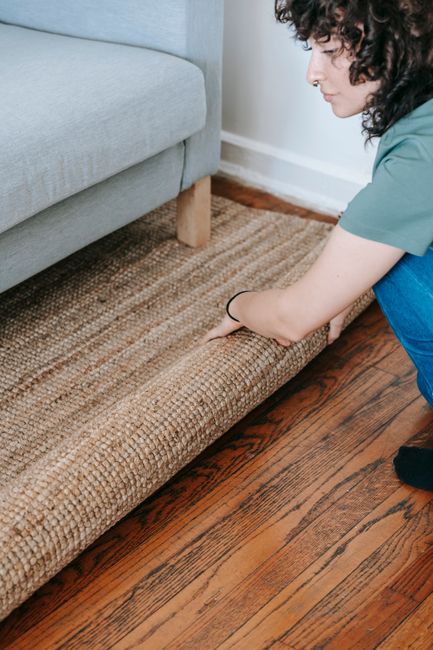
- Remove the carpet from the room carefully, especially on stairs or in narrow hallways.
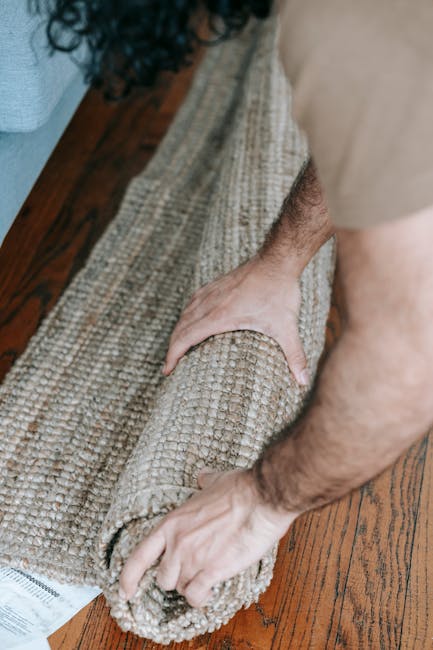
- Roll or fold it neatly so it can be handled safely.
- Keep it dry where possible; a soaking wet carpet is heavier and more unpleasant to move.
- Separate obvious extras such as loose underlay, metal strips, or debris if you can do so safely.
- Arrange collection or deliver it to an approved disposal option, depending on the council guidance that applies at the time.
That last point is where people often go wrong. They assume that because something is "just a carpet," it can be left out with the weekly waste. Usually not. If you are in the middle of a larger refresh, you may also want to read our local guide on how pricing works when you are comparing cleaning quotes, because disposal and cleaning costs often get bundled in the same project planning.
What makes carpets different from other bulky items?
Unlike a chair or a box, a carpet can snag, shed fibres, hold moisture, and become awkward fast once it has been cut from the room. In older flats, you may also find dust, nails, staples, or dried adhesive on the underside. Not exactly glamorous, but that is the reality.
That is why it pays to slow down for ten minutes and prepare the item properly. The safer and tidier the roll, the smoother the collection or drop-off tends to be.
Key Benefits and Practical Advantages
Following the correct disposal route is not just about compliance. It saves time, keeps neighbours happy, and makes the rest of your project less chaotic. You will notice the difference very quickly if you have ever tried to manoeuvre a loose carpet down a shared staircase while holding a door open and avoiding a hallway plant. It is not ideal.
- Less risk of rejection: properly prepared carpets are less likely to be refused on collection day.
- Cleaner communal spaces: a tidy removal reduces mess in hallways, lifts, and entrances.
- Lower chance of fines or complaints: leaving bulky waste incorrectly presented can create problems.
- Better timing: disposal can be aligned with decorating, tenancy changes, or cleaning work.
- More sustainable decisions: if a carpet can be reused, donated, or recycled, you have time to explore that before it becomes waste.
There is also a quieter advantage: peace of mind. Once the old carpet is gone, you can measure the room properly, tackle stains on the floor underneath, and plan the next step without the old material hanging around like an unfinished chore.
If you are replacing flooring after cleaning work, local services such as carpet cleaning in Notting Hill and domestic cleaning support can be helpful before or after the disposal stage, depending on whether the carpet is being kept or thrown out.
Who This Is For and When It Makes Sense
This topic matters to more people than you might expect. A lot of readers only think about carpet disposal when they are already mid-project, box cutter in hand, and the room looks like a small storm has passed through. That is usually the moment the rules become urgent.
You are likely to need this if you are:
- moving out of a flat and need to clear old flooring
- refreshing a rental before new tenants arrive
- renovating a home and replacing damaged carpet
- dealing with carpet affected by water, mould, or pet contamination
- managing a property sale where presentation matters
- looking after an office or small commercial space with worn flooring
For landlords and letting agents, disposal timing is especially important. If a carpet is damaged beyond practical cleaning, removing it quickly can prevent odours and help prepare the room for inspection or photography. That is why our estate-agent carpet prep tips and stain-care advice for local homes are often relevant before a disposal decision is made.
Homeowners may think they can just wait until the next bit of spring sorting. Fair enough. But if the carpet is damp, smelly, or harbouring dust from a refurbishment, waiting usually makes it worse, not better.
Step-by-Step Guidance
If you want the simplest route through the process, use this sequence. It keeps things practical and avoids the most common surprises.
- Confirm whether disposal is the right choice. If the carpet is only dirty, a professional clean might save it. If it is ripped, water-damaged, or contaminated, disposal is often more sensible.
- Measure the carpet and plan the route out. Check stair turns, doors, lifts, and shared hallways before you start cutting or rolling.
- Remove obstacles. Take out furniture, small items, and anything that can snag. A clear path saves you a headache later.
- Cut and roll carefully. Use a sturdy blade and work on the reverse side where possible. Roll tightly to reduce bulk.
- Secure the roll. Tape or tie it so it does not unfurl mid-carry. Nobody wants a carpet accordion in the stairwell.
- Separate extras. Underlay, foam, tack strips, and fixings may need different handling. Keep nails and metal bits contained.
- Check the council route. Make sure you understand whether the carpet should be booked as bulky waste, taken to a recycling or disposal point, or handled by a private collection.
- Arrange the handover. Put the item out only when required, and in the condition requested.
If the carpet is being removed after a deep clean or after you have dealt with pet issues, it can make sense to review our urgent pet urine treatment guide first. Sometimes the smell problem is bigger than the visible stain, and that changes the disposal decision.
A simple decision rule
If the carpet is dry, structurally sound, and can be restored, clean it. If it is saturated, heavily mouldy, or falling apart, disposal is usually the safer path. That sounds obvious, but in real life people keep hoping a tired carpet has one last season in it. Sometimes it does. Often, it doesn't.
![Close-up of a person using a red handheld vacuum cleaner to clean a beige textured area rug in a residential setting, with wooden flooring and furniture visible. The person is barefoot and wearing black pants, emphasizing domestic cleaning activities. The vacuum cleaner bears the logo and name of Carpet Cleaning Notting Hill, indicating a professional cleaning service. The scene is well-lit, highlighting the cleanliness of the carpet and surrounding surfaces, which include polished wooden floors and wooden furniture. This image reflects surface cleaning and maintenance related to hygiene and domestic cleaning, consistent with the guidelines on carpet disposal and cleaning rules for the Kensington & Chelsea area, as outlined by the [DOMAIN] website.](/pub/blogphoto/kensington-chelsea-council-rules-for-carpet-disposal2.jpg)
Expert Tips for Better Results
A few small habits make the whole job easier. These are the little things that save a lot of faffing about.
- Work when the building is quiet. Early morning or midday is often easier in a shared property because you are not squeezing past commuters or school-run traffic.
- Protect communal areas. Use a sheet or old blanket under the rolled carpet while moving it if the route is long.
- Vacuum before removal. It sounds minor, but it keeps dust, grit, and crumbs from trailing through the flat.
- Check for hidden moisture. A carpet that looks merely heavy can be holding far more water than you think.
- Photograph damage before disposal. Helpful for landlords, tenants, and anyone dealing with insurance or deposit questions.
- Keep a spare bag for fixings. Loose staples and tack strip pieces can become a nuisance very quickly.
One thing many people forget is smell. If a carpet has absorbed damp or pet odour, the room can still feel "off" even after the carpet leaves. That is where the surrounding clean matters. For that reason, it can be wise to pair disposal with a more thorough room clean, especially if you are preparing for handover or sale. Our house cleaning support is often a useful next step.
And yes, wear gloves. Not because it is dramatic, just because old carpet edges and hidden staples have a habit of biting back.
Common Mistakes to Avoid
This is the section people tend to skip, which is usually a mistake in itself. Most disposal headaches come from a handful of predictable errors.
- Leaving carpet loose in the street or hallway. That can look like fly-tipping and may create a hazard.
- Mixing the carpet with unrelated waste. Bulky items and bagged rubbish are often handled differently.
- Forgetting underlay and fixings. A neat carpet roll does not solve the whole job if nails and strips are left behind.
- Assuming every carpet can be collected the same way. Wet, contaminated, or oversized materials can need special handling.
- Skipping building rules. Leasehold blocks and managed properties sometimes have their own internal waste procedures.
- Trying to carry too much at once. That is how stair damage, sore backs, and dropped rolls happen.
Another common slip is planning disposal after the decorators arrive. That feels efficient until the carpet is still in place when the paint needs to go down. Not ideal. Think backwards from the room's final state, and the sequence becomes clearer.
Tools, Resources and Recommendations
You do not need specialist kit for every carpet removal, but a few items make the work safer and tidier:
- a sharp utility knife with a fresh blade
- heavy-duty gloves
- dust sheets or an old blanket
- strong tape or rope for securing rolls
- a vacuum cleaner for pre- and post-removal clean-up
- bags or tubs for nails, tacks, and small debris
For local householders, the most useful resource is often a combination of council guidance and sensible property planning. If you are comparing service options or trying to understand what falls into a basic clean versus a more involved job, our pricing and quotes page can help you think through the wider project costs. If you are simply weighing up whether to replace the carpet at all, the Portobello Road carpet cleaning tips article is a handy local read before you decide.
It can also be useful to check recent feedback from customers who have used similar local services. The reviews section is a straightforward place to get a feel for typical expectations. Not a guarantee of anything, of course, but it gives you a better sense of what real people value.
Law, Compliance, Standards, or Best Practice
In the UK, carpet disposal sits within broader household waste and environmental best practice rather than something unusually specialised. The safest approach is to treat carpets as bulky waste unless the council says otherwise and to follow local instructions closely. That matters because councils can vary in how they schedule collections, what they accept, and how items must be presented.
Best practice generally means three things: keep waste out of shared spaces for as short a time as possible, separate reusable or recyclable material where feasible, and avoid causing nuisance to neighbours or waste crews. In a managed building, you may also need to follow lease or estate rules on disposal times, lift protection, or use of service entrances.
If the carpet is contaminated with mould, pet waste, or damp from a leak, be cautious. In those cases, disposal is not just about convenience; it can also be about hygiene and preventing spread into other soft furnishings. If you are dealing with related moisture or odour issues in the property, our basement mould removal article offers a useful local perspective on why damp should be handled early, not ignored.
For businesses and office managers, it is worth being a bit more formal about the process. Office disposals can involve building management, access windows, and contractor coordination. If that sounds familiar, take a look at office cleaning support as part of the wider planning around floor replacement and waste removal.
Options, Methods, or Comparison Table
There is more than one way to deal with a removed carpet. The right method depends on condition, size, urgency, and how much time you have to spare.
| Option | Best for | Pros | Watch-outs |
|---|---|---|---|
| Council bulky waste route | Typical household carpets in acceptable condition | Convenient, local, usually the first option to check | Preparation rules may apply; timing can be limited |
| Private collection | Large jobs, tight schedules, difficult access | Flexible, can handle awkward removals | May cost more; not every provider handles all materials |
| Reuse or donation | Carpets in decent condition | Most sustainable outcome if suitable | Must be clean, dry, and genuinely usable |
| DIY transport to disposal point | Smaller loads, confident drivers, nearby facilities | Direct control over timing | Heavy lifting, transport cleanliness, parking and access challenges |
For many people, the council route is the sensible starting point. But if the carpet is huge, water-damaged, or coming out of an upper-floor flat with a narrow stairwell, a private collection can save a lot of time and stress. And sometimes that stress matters more than the line on the spreadsheet. Truth be told, not every job should be turned into a heroic DIY story.
Case Study or Real-World Example
Imagine a first-floor flat near Kensington High Street. The tenant is leaving, the lounge carpet has a few stains, and the hallway runner has a damp patch from an old window leak. At first glance, it seems like a simple roll-up-and-go job. But once the carpet is lifted, the tenant notices the underlay has absorbed the smell, the backing is crumbling, and a few strips are still tacked down along the edge.
In that situation, a clean-up plan works better than a rushed disposal. First, the carpet is cut into manageable sections and rolled tightly. Second, the loose underlay and fixings are bagged separately. Third, the room is vacuumed and aired out before any final handover. If the smell remains, the tenant knows the issue is not just the carpet itself; it may also require a deeper clean of the room and floor.
That is exactly the kind of scenario where people realise why local guidance matters. If the carpet had simply been dragged downstairs in one piece, it would have been awkward for everyone, and probably left a mess behind. Instead, the job gets finished properly. A little more thought, a lot less stress.
For readers in nearby residential streets, local context can matter too. A mews property with narrow access is very different from a modern block with a service lift. If you are comparing neighbourhood expectations or planning a move, our local reads like what locals say about living here and how to navigate the local real estate market can be useful background when disposal is part of a larger move or sale.
Practical Checklist
- Confirm whether the carpet can be cleaned instead of thrown away.
- Check the current Kensington and Chelsea disposal route before moving the item.
- Measure stairwells, doors, and lift access.
- Clear furniture and obstacles first.
- Wear gloves and use a sharp blade carefully.
- Roll the carpet tightly and secure it.
- Remove or bag underlay, nails, and small fixings.
- Keep the carpet dry and avoid leaving it in communal areas.
- Arrange collection or transport at the right time.
- Vacuum and clean the room afterwards so the space feels finished.
Conclusion
Understanding Kensington & Chelsea Council rules for carpet disposal is less about memorising bureaucracy and more about handling an awkward household job in the cleanest, safest way possible. Once you know whether the carpet should go through bulky waste, whether it needs preparation, and how to deal with extras like underlay and fixings, the task becomes much easier.
The real win is not just getting rid of an old floor covering. It is making the next part of the project smoother, whether that means a new carpet, a stripped floor, a rental handover, or simply a room that finally feels fresh again. Small job, big relief.
If you are planning a larger clear-out, or you want the room cleaned properly once the flooring is out, it makes sense to line up the rest of the work early rather than leaving it until the last minute.
Get a free quote today and see how much you can save.