Carpet Cleaning
 Upholstery Cleaning
 End Of Tenancy Cleaning
 Domestic Cleaning
 House Cleaning
 Office Cleaning


Stain care on Pembridge Villas: flats and mews advice
Posted on 14/05/2026
Pembridge Villas has that classic Notting Hill feel: elegant flats, tucked-away mews homes, polished entrances, and the kind of day-to-day living where a small spill can suddenly feel like a big deal. A wine mark on a pale carpet, coffee on a hallway runner, muddy footprints after a wet London afternoon, or a grease spot in a kitchen-living space - these things happen. The trick is not panic. It is having a calm, practical plan that suits the building, the fabric, and the pace of life in W11.
This guide to Stain care on Pembridge Villas: flats and mews advice is written for people who want more than generic "blot it and hope" guidance. You will find sensible stain removal steps, what to do first, when to leave a stain alone, and how flats and mews properties often need slightly different care. We will also cover maintenance habits that protect carpets, rugs, upholstery, and hard floors, plus a few local realities that matter in shared entrances and period homes. Truth be told, that last bit is where many people slip up.
If you are comparing cleaning support, it can help to look at the broader picture too, including the range of cleaning services available in Notting Hill, or even the company's customer reviews before deciding what level of help makes sense.

Why Stain care on Pembridge Villas: flats and mews advice Matters
Stains are not just a cosmetic issue. In a flat or mews property, they can affect comfort, cleanliness, value perception, and sometimes even relationships with neighbours or landlords. A stain on a carpet in a hallway, for example, can make a whole home feel untidy even if the rest is spotless. In a mews house, where entrances can be narrow and traffic is constant, a small patch of tracked-in dirt can spread quickly. You know how it goes: one rainy evening, one umbrella mishap, and suddenly the landing looks tired.
What makes Pembridge Villas especially interesting is the mix of property styles. Some homes have older wool carpets, some have blended fibres, others have rugs layered over wood flooring, and many are furnished with upholstery that has already seen a few seasons of use. That variety means there is no universal fix. A method that is fine for one material might cause colour bleed or fibre distortion in another. A lot of damage happens because people assume all stains behave the same. They really don't.
Good stain care also matters because it protects long-term appearance. If you are preparing for guests, letting a property, or planning a move, clean flooring and upholstery make a noticeable difference. For anyone involved in letting or sale preparation, the guidance in end of tenancy cleaning in Notting Hill and property sales strategies for Notting Hill homes can be especially useful alongside targeted stain treatment.
Expert summary: the earlier you identify the stain, the gentler your approach can be. Most costly mistakes happen when people scrub first and inspect later.
How Stain care on Pembridge Villas: flats and mews advice Works
Stain care is part prevention, part response, part judgment. The process is simple in theory, a little fiddly in practice. First, you identify what caused the mark. Then you look at the surface: carpet pile, wool rug, silk blend, upholstery fabric, stone, laminate, painted skirting, or wood. After that, you choose the least aggressive method that has a decent chance of working.
In flats, especially those with shared access or compact layouts, stain care tends to focus on quick containment. Hallway spills, shoe marks, and food stains in open-plan living areas are common because people move through the space so often. In mews homes, there can be more variation in flooring and more exposure to dust, street grit, and damp footwear. Different problem, same principle: stop the stain from setting, then clean safely.
There is also a timing element. Fresh stains usually respond best to blotting and mild cleaning solutions. Older stains can bond to fibres or dry into layers, which is why they often need a more considered treatment. If a stain has already been heat-set by a radiator, hairdryer, or ironing attempt, it becomes more stubborn. A lot more stubborn, actually.
For households that want support beyond a one-off patch job, it can be worth reviewing broader domestic help such as domestic cleaning in Notting Hill or house cleaning support, especially where stains are part of a larger upkeep issue rather than an isolated event.
Key Benefits and Practical Advantages
Good stain care delivers benefits that are easy to feel, even if they are not always dramatic on paper. The obvious one is appearance. Clean carpets, sofas, and rugs make a home look well-kept. But the less visible benefits can be just as valuable.
- Longer material life: fibres last longer when abrasive scrubbing and harsh products are avoided.
- Better indoor comfort: fewer sticky patches, smells, and visible marks make a home feel calmer.
- Improved first impressions: useful for guests, viewings, landlords, and tenants alike.
- Lower risk of permanent damage: quick action often prevents staining from becoming embedded.
- More predictable upkeep: a sensible routine stops small issues from turning into weekend disasters.
There is also a practical advantage in knowing when not to intervene too much. That may sound odd, but sometimes the best stain care is cautious stain care. If you have a delicate woven rug, for instance, aggressive cleaning can spread a mark or distort the pile. If the material is precious or antique, restraint is not laziness; it is good judgment.
In shared buildings, decent stain management can also reduce friction. A hallway carpet with repeated mud marks or tea splashes can be a point of quiet frustration in flats. Keep on top of it and the whole place feels more orderly. Small thing, big effect.
Who This Is For and When It Makes Sense
This advice is for anyone living, letting, managing, or maintaining a property on or near Pembridge Villas. That includes:
- owners of period flats with carpeted living rooms or hallways
- tenants trying to avoid end-of-tenancy deductions
- landlords preparing a property between lets
- mews homeowners with mixed flooring and high foot traffic
- households with children, pets, or frequent visitors
- anyone dealing with food, drink, makeup, ink, or outdoor dirt on soft furnishings
It makes sense whenever a stain appears, but especially when you can see a pattern: recurring marks near entrances, dining areas, sofa arms, or under work-from-home desks. Those little hotspots usually tell you where the real problem is. Is it the material, the routine, or simply the weather? In London, often it is all three.
If the issue is broader than a single stain, a full-service approach may be better than spot cleaning alone. Many people in the area compare service details on the carpet cleaning Notting Hill page and then check pricing and quotes before booking. Sensible, really.
Step-by-Step Guidance
Here is a practical way to deal with common stains in flats and mews homes without making matters worse.
1. Identify the stain as quickly as you can
Ask yourself: is it water-based, oily, protein-based, dye-based, or something mixed? Coffee, tea, wine, juice, gravy, makeup, grease, pet accidents, ink, and mud all behave differently. If you do not know, treat it as delicate and start gently.
2. Remove excess material first
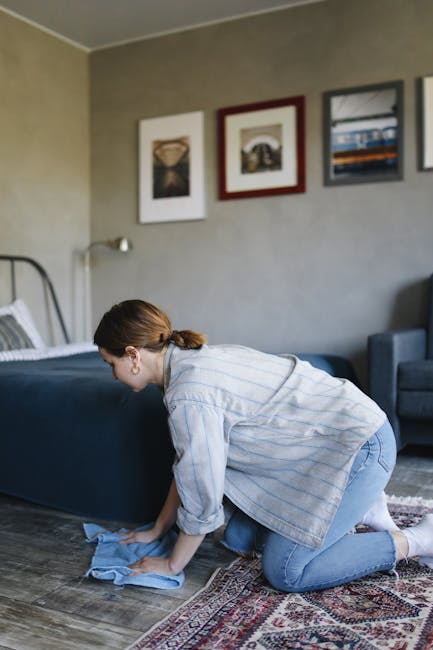
Scoop, lift, or blot away anything sitting on the surface. Use a spoon or dull edge for solids. Do not rub. Rubbing pushes matter deeper into the fibres and widens the stain. That is the classic "I only made it worse" moment.
3. Blot, don't scrub
Use a clean white cloth or plain kitchen towel. Press lightly and repeat with a fresh section of cloth. For liquid stains, work from the outside towards the centre to stop spread. For larger spills, keep switching cloths as they absorb moisture.
4. Test any solution in a hidden spot
Before using a cleaner, test it on a spare corner or behind furniture. Check for colour transfer, texture change, or residue. This matters a lot with wool, velvet, and mixed fibre fabrics. In older mews homes, where materials can be more varied, testing is not optional. It is common sense.
5. Use the mildest appropriate treatment
For many everyday marks, a little cool water is enough. If that fails, a fabric-appropriate cleaner may help, but always follow the product instructions and avoid over-wetting. Excess water can leave rings, especially on carpets laid over underlay or on upholstery with deeper padding.
6. Dry the area properly
After cleaning, blot again to remove moisture. Improve airflow by opening a window or using gentle ventilation. A damp patch left to sit can attract dirt or lead to odour. On a grey London morning, a wet carpet can take longer than you expect to dry, so plan for that.
7. Assess whether the stain has truly gone
Sometimes a stain looks gone while the residue is still present. Once dry, inspect in daylight. If a shadow remains, it may need a second cautious pass or a professional clean. There is no shame in stopping before you overdo it.
For households dealing with recurring marks on seating, the advice on upholstery cleaning in Notting Hill is worth reading alongside this guide. Sofas and chairs often need slightly different treatment from carpets, even when the stain looks similar.
Expert Tips for Better Results
The small habits make the biggest difference. A few useful ones:
- Work fast, but calmly. Speed helps, panic does not.
- Keep white cloths on hand. Coloured cloths can transfer dye and muddy the diagnosis.
- Use little amounts of liquid. Over-wetting is one of the most common mistakes.
- Ventilate gently. Airflow matters more than people think.
- Treat entrances as protection zones. Door mats, shoe habits, and regular vacuuming reduce repeat stains.
- Know your fibres. Wool, synthetics, cotton blends, and natural fabrics all behave differently.
One practical local tip: in flats and mews homes with narrow stairs or compact hallways, move cleaning materials upstairs before you begin. It sounds obvious, but it saves you from dripping solution through the house. Been there, regretted that.
If a stain appears near a door or window, think about outside sources too. Portobello Road shopping bags, wet umbrellas, takeaway packaging, and muddy soles are common culprits in this part of London. The article on carpet cleaning tips for W11 shoppers covers some useful spill and dirt issues that overlap with daily stain prevention.
Common Mistakes to Avoid
Most stain damage comes from a handful of predictable errors. The good news? They are easy to avoid once you know them.
- Scrubbing too hard: this frays fibres and spreads the mark.
- Using too much detergent: residue can attract more dirt later.
- Applying heat too soon: heat can lock some stains into place.
- Mixing cleaning products: never combine chemicals unless the label specifically says it is safe.
- Ignoring material type: what works on synthetic carpet may be risky on wool or delicate fabric.
- Leaving dampness behind: moisture can cause smell, tide marks, or re-soiling.
A surprisingly common mistake in flats is treating hallway carpet as if it were a hard-wearing commercial surface. Shared-access carpets may look robust, but they still need a soft touch. In mews homes, the issue is often overconfidence with natural materials - a lovely old fabric, one enthusiastic clean, and suddenly the texture changes. Not ideal.
Tools, Resources and Recommendations
You do not need a giant kit to manage most household stains. A small, sensible set of tools usually does the job:
- clean white microfibre cloths
- plain white kitchen paper
- a soft brush for dry debris
- a spoon or blunt edge for solids
- cool water in a small bowl or spray bottle
- a fabric-safe stain cleaner suitable for the material
- gloves if you are handling anything unpleasant
- good ventilation, ideally a window you can open for a while
For more structured support, it can help to read the company's health and safety policy and insurance and safety information, especially if you are considering a professional visit in a shared building or if the property includes delicate finishes. If you are exploring general cleaning support, the blog archive is also useful for broader maintenance ideas.
For people who like to plan ahead, the current promotions page can be a handy place to check before booking. And if you want to understand the business behind the service, the about us page adds useful context. Small detail, but it helps trust.
Law, Compliance, Standards, or Best Practice
For most household stain care, the key issues are not legal thresholds or formal regulation, but sensible best practice, product safety, and property respect. If you live in a flat, you may also need to consider building rules, lease conditions, or landlord expectations about maintenance and cleaning. Those terms vary, so check your paperwork rather than assuming.
From a practical UK standpoint, a few principles matter:
- Use products according to label instructions. That sounds basic, but it is the safest route.
- Avoid unsafe chemical mixing. Some combinations release fumes or damage surfaces.
- Protect communal areas. In flats, any work should avoid creating drips, odours, or trip hazards in shared entrances and stairwells.
- Keep records if you are a landlord or managing agent. Photos and notes can help show that issues were addressed properly.
- Be realistic about warranties and claims. Textile labels and manufacturer guidance usually matter more than guesswork.
If you are preparing a property for check-out, it may be worth reading the relevant terms on terms and conditions and the company's complaints procedure, just so you know how issues are handled if something unexpected comes up. That is not exciting reading, granted, but it can save time later.
Options, Methods, or Comparison Table
Different stains and surfaces need different levels of intervention. This table gives a simple way to think about your options.
| Method | Best for | Pros | Watch out for |
|---|---|---|---|
| Blotting with cool water | Fresh drink spills, light marks, everyday stains | Gentle, low risk, easy to do | May not remove older or oily stains fully |
| Fabric-safe spot treatment | Targeted marks on carpet or upholstery | More effective on stubborn stains | Needs testing and careful use |
| Dry extraction or powder treatment | Some greasy or moisture-sensitive surfaces | Less wetting, useful for delicate areas | Not suitable for every material |
| Professional deep cleaning | Large areas, repeated staining, delicate or valuable items | Better equipment, more even finish, less guesswork | Higher cost than DIY, needs proper scheduling |
The simplest choice is not always the best one. If a stain is fresh and shallow, a gentle DIY approach may be enough. If it is old, mixed, or on a delicate fabric, professional help can actually be the cheaper option once you factor in the risk of making a mess of it.
For a broader sense of what a professional clean can cover, take a look at office cleaning in Notting Hill too. It is a different setting, yes, but it shows how varied stain and fabric care can be across surfaces and foot traffic levels.
Case Study or Real-World Example
Picture a first-floor flat on Pembridge Villas after a wet Thursday evening. Someone comes in with a takeaway coffee, pauses to answer the door, and the cup tips onto a hallway runner. The stain is dark, warm, and spreading into the pile. Not dramatic, but enough to cause that instant sinking feeling.
The right response is fairly straightforward. The resident blots immediately with a dry cloth, lifts up any excess liquid, and checks the rug label. Because the runner is a wool blend, they avoid soaking it. A second cloth and a little cool water help lift the remaining colour. They dry the area with ventilation, then stop. No scrubbing, no bleach, no panic.
A day later, the patch is still slightly shadowed in daylight, so they book a professional clean rather than attacking it again. That decision saves the runner from over-cleaning and protects the hallway floor beneath it. In a mews property, the same incident might be similar, but with more concern about moisture tracking into timber thresholds or a shared entrance. Same stain, slightly different context, same need for care.
This is where local experience matters. Homes on or near Pembridge Villas often combine elegance with older materials and busy routines. The people who do best with stain care are usually not the ones with the fanciest products. They are the ones who stay calm, test first, and know when to stop.
Practical Checklist
Use this quick checklist when a stain appears:
- Identify what caused the stain.
- Check the material type and any care label.
- Remove solids or excess liquid first.
- Blot gently with a clean white cloth.
- Test any cleaning product in a hidden area.
- Use the mildest effective method.
- Avoid scrubbing and excess heat.
- Dry the area fully with ventilation.
- Inspect once dry for any remaining shadow.
- Escalate to professional help if the stain is old, large, or delicate.
Practical takeaway: if a stain does not improve after one careful attempt, do not keep attacking it. That second and third go can do more damage than the original spill.
Conclusion
Stain care on Pembridge Villas is really about balance: acting quickly, being gentle, and understanding the home in front of you. Flats need efficient spill control and careful attention to shared spaces. Mews homes often need a slightly broader view because of mixed surfaces, traffic, and older materials. The right approach is not complicated, but it does reward patience.
If you take one thing from this guide, let it be this: the best stain treatment is rarely the most aggressive one. Calm first response, thoughtful product choice, and proper drying will solve a surprising number of problems. And for the rest, a trusted professional clean can save time, stress, and a perfectly good carpet from one unlucky cup of tea.
Get a free quote today and see how much you can save.
And if you are still deciding how much support you need, start small, ask questions, and choose the approach that lets your home feel genuinely cared for. That peace of mind is worth a lot.