 Carpet Cleaning
 Upholstery Cleaning
 End Of Tenancy Cleaning
 Domestic Cleaning
 House Cleaning
 Office Cleaning
Urgent pet urine treatment for Notting Hill flats
Posted on 22/05/2026
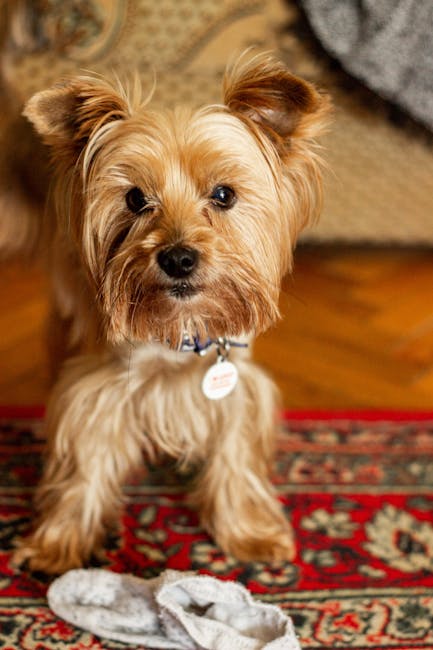
Urgent pet urine treatment for Notting Hill flats: fast, practical help when you need it most
If you have ever walked into a flat and caught that unmistakable pet urine smell, you'll know it is not a "leave it till tomorrow" kind of problem. In a compact Notting Hill flat, odour spreads quickly, carpets hold onto moisture, and even a small accident can turn into a stubborn issue by the end of the day. Urgent pet urine treatment for Notting Hill flats is really about stopping a minor mess from becoming a lingering stain, a scent that won't shift, or a bigger problem with underlay, timber, or upholstery.
Whether you are a tenant trying to keep a deposit safe, a landlord preparing for new occupants, or a homeowner who just wants the place to feel fresh again, the right response is immediate, calm, and methodical. The good news? Most pet urine issues can be improved significantly with the right approach. The trick is knowing what to do first, what to avoid, and when to bring in professional help. Let's get into the practical side of it.
Why urgent pet urine treatment for Notting Hill flats matters
Flats in Notting Hill tend to have a few things in common: limited airflow, layered flooring, neighbouring units close by, and a premium on keeping interiors clean and presentable. That combination makes pet urine a bigger headache than it looks at first glance. The smell can drift into hallways, seep into soft furnishings, and settle in places you cannot easily see. To be fair, it rarely stays "just on the surface".
Urine contains moisture and compounds that bond with fibres and porous materials. Once it reaches carpet backing, underlay, wood skirting, or upholstered furniture, simple surface cleaning may only mask the issue for a short time. Then, a warmer room, central heating, or a bit of damp weather can bring the smell back. That is why speed matters. The earlier you act, the more chance you have of stopping deeper absorption.
For rented flats, the practical stakes are obvious. You may be dealing with an inspection, a move-out clean, or a complaint from a neighbour or managing agent. If you are preparing a property for viewings, this sort of odour is one of those small things that can quietly put people off. Not glamorous, but very real. For background on the local property context, some readers also find it useful to explore how the Notting Hill real estate market works and property sales strategies in Notting Hill.
Key point: the longer pet urine sits, the more likely it is to become an odour-and-stain problem rather than a simple cleaning task. Early treatment saves time, money, and stress. Simple as that.
How urgent pet urine treatment for Notting Hill flats works
Good pet urine treatment is less about one magic product and more about a sequence of sensible actions. In a flat, that sequence has to work quickly, because limited space means odour can spread before you know it. A proper treatment usually involves locating all affected areas, removing as much contamination as possible, neutralising the remaining residue, and then drying the area fully.
Here's the important bit: not all stains are equal. Fresh urine on a rug is very different from an older accident that has soaked into carpet underlay. If the stain is recent, blotting and controlled cleaning may be enough to prevent permanent damage. If it is older, the treatment often needs more than a standard carpet clean. Sometimes the source is obvious. Other times the real issue is hidden beneath the carpet, which is where odour tends to survive the longest. Annoying, but common.
In practice, professionals often use a combination of pre-inspection, targeted stain treatment, enzyme-based cleaning where suitable, hot water extraction for carpets, and careful drying. Enzyme treatments are popular because they help break down the organic material behind the smell, rather than simply masking it. That said, the right method depends on the flooring, the age of the stain, and whether the area is carpet, upholstery, or hard flooring with gaps and joins.
If the pet urine has also affected sofas, cushions, or fabric bed bases, it can make sense to tackle everything together. The same contamination can travel from floor to furniture and back again. In flats especially, that "small spill" can end up becoming a whole-room issue. You can also read more about related fabric care through our upholstery cleaning in Notting Hill service and the broader carpet cleaning options in Notting Hill.
Key benefits and practical advantages
When done properly, urgent pet urine treatment does more than make the room smell nicer. It protects the flat itself. That matters in a place where finishes are often compact, polished, and expected to look cared for.
- Better odour control: the obvious one, yes, but it is the most noticeable difference.
- Reduced stain setting: fast action gives you a better chance of lifting visible marks before they become permanent.
- Less spread into underlay or subfloor: a major advantage in flats with carpeted rooms.
- Improved appearance for inspections or viewings: helpful if you are a tenant, landlord, or seller.
- Healthier indoor environment: a cleaner room feels fresher and more comfortable to live in.
- Lower risk of repeat odour: especially when the real source is treated, not just the surface.
There is also a simple emotional benefit that gets overlooked: you can relax in the space again. That faint smell in a small flat can become oddly consuming. You notice it when you come in, then again when you open the wardrobe, and somehow it follows you around the room. Once it is treated properly, the whole place feels lighter. That sounds a bit dramatic, maybe, but anyone who has dealt with pet accidents will know exactly what I mean.
If you are trying to make the flat ready for guests, a landlord check, or the next tenant, this kind of treatment often pairs well with a fuller clean. Some people also look at domestic cleaning in Notting Hill or end of tenancy cleaning in Notting Hill when they need a wider reset.
Who this is for and when it makes sense
This service is not just for obvious "pet mess disaster" situations. A lot of the time, people seek urgent pet urine treatment because something seems off rather than because there is a visible puddle on the floor. That smell near the sofa. The patch that keeps darkening after cleaning. The room that seems fine until the heating comes on. You know the type.
Common scenarios
- Tenants: to reduce the risk of deposit deductions and avoid awkward end-of-tenancy conversations.
- Landlords and letting agents: to restore the flat quickly between occupancies.
- Homeowners: to protect carpet and furnishings from long-term damage.
- Pet owners: especially if there is a new puppy, older pet, or one-off accident.
- Property managers: when a flat needs to be turn-key fast.
- People preparing to sell: because scent matters more than people think during viewings.
It makes sense whenever urine has reached anything absorbent or odour-retaining. So, carpet, felt underlay, fabric sofas, curtains near the floor, mattress edges, even a rug tucked under a bed. In a small flat, one event can have a surprising footprint. And if you are not sure whether the stain is old or fresh, that is usually a sign to treat it sooner rather than later.
If you want a sense of how local residents think about the area and property standards, you may also enjoy what locals say about living in Notting Hill and this guide to the real Notting Hill beyond the film set image.
Step-by-step guidance
If you need to act quickly, keep things simple. The goal is to contain the mess, reduce absorption, and avoid making the stain worse. Here is a sensible, real-world sequence.
- Identify the affected area. Check not just the visible stain but the surrounding carpet, the skirting, nearby furniture, and any soft furnishings close by.
- Blot, don't rub. Use clean absorbent cloths or paper towels and press down gently. Rubbing pushes liquid deeper and can distort fibres.
- Protect the area. Keep pets away and avoid walking through the spot. In a flat, traffic just spreads the problem.
- Use a suitable cleaner. If the surface allows, apply a urine-safe treatment designed for the material. Always test in a small hidden area first.
- Allow dwell time. Some products need time to work. Rushing this step is a common reason people get disappointing results.
- Remove residue thoroughly. Follow product guidance and extract as much moisture as possible. Leftover cleaner can itself create a sticky patch.
- Dry fully. Airflow matters. Open windows where practical, use fans, and avoid covering the spot too early.
- Reassess after drying. Smells often return once a surface is dry if the source was not fully treated. If that happens, deeper cleaning is needed.
If the stain has reached deep into carpet layers, a professional treatment is usually the more reliable next step. In many Notting Hill flats, especially older conversions, carpets are fitted over layers that absorb moisture in ways you cannot see from above. That is where hidden odour lives.
A small aside: if you can smell it but can't see much, trust your nose. It is not being dramatic.
Expert tips for better results
The best outcomes usually come from a few practical habits rather than from stronger chemicals. Stronger is not always better, especially on carpet or delicate upholstery.
What tends to work well
- Treat fresh accidents quickly: the first hour matters far more than people realise.
- Use the right product for the surface: carpet, upholstery, and hard flooring each need a slightly different approach.
- Ventilate the room properly: airflow helps moisture leave the space instead of settling elsewhere.
- Check nearby materials: urine can migrate under carpet edges, into rug backing, or onto furniture legs.
- Consider the whole source area: if a pet repeatedly uses one corner, there may be a behavioural trigger or a hidden scent marker.
- Act on old stains differently: older contamination often needs a deeper clean than fresh accidents.
One practical tip many people miss: if the stain is in a living room or bedroom, look at the route the pet would naturally take. Is the accident next to a door, a litter tray, or a favourite sleeping spot? That can tell you whether you are dealing with a one-off or a recurring pattern. Repeating accidents need a different response.
For service planning, it can help to compare cleaning needs across your home. A treatment to a carpet may be enough in one room, while the same issue on a fabric chair needs a gentler, more controlled method. If you are organising a wider clean, our services overview gives a good sense of the kinds of cleaning tasks that can be combined into one visit.
Common mistakes to avoid
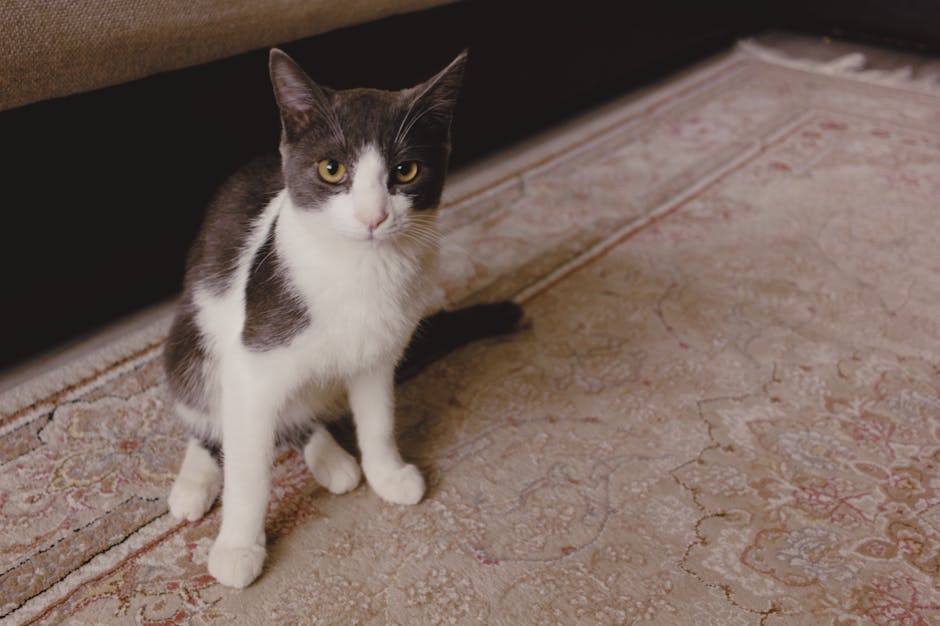
Pet urine cleaning goes wrong in a handful of very predictable ways. If you avoid these, you are already ahead of the game.
- Using too much water: this can spread the urine deeper into the carpet or underlay.
- Scrubbing aggressively: it damages fibres and often spreads the stain.
- Covering the stain before it is fully dry: that traps odour and moisture.
- Using bleach or harsh chemicals on carpet: risky, and not usually the answer.
- Assuming the smell is gone because the surface looks clean: odour often comes back once the room warms up.
- Ignoring repeat incidents: if your pet keeps returning to the same spot, the area may still smell like a toilet to them.
Another mistake is trying to solve an old accident with a quick surface spray and hoping for the best. It's tempting, especially on a busy day, but it often buys you only a few hours of relief. Then the smell is back, maybe stronger. In a Notting Hill flat, with its close rooms and limited drying space, that can become frustrating very quickly.
Tools, resources and recommendations
You do not need a cupboard full of specialist products, but a few sensible tools can make a real difference if you are dealing with a fresh incident.
| Option | Best for | Pros | Limitations |
|---|---|---|---|
| Absorbent cloths or paper towels | Fresh accidents | Quick blotting, easy to use | Not enough for deep staining |
| Pet-safe enzymatic cleaner | Organic odour and residue | Targets the source rather than masking smell | Needs correct dwell time and full drying |
| Wet extraction or carpet cleaning equipment | Carpets and rugs | More thorough removal of residue | Over-wetting can be a problem if used badly |
| Air movers or fans | Drying | Speeds up moisture removal | Not a cleaning method on its own |
| Professional stain and odour treatment | Older or widespread contamination | Best chance of complete treatment | Usually costs more than DIY |
If you are weighing up professional support, it is worth checking pricing and quotes so you understand what affects cost before you book. It can also help to read genuine customer feedback on the reviews page, because pet urine jobs are one of those services where reliability really matters.
And if you like to plan ahead a little, the current promotions page may be useful when you need a quicker response without stretching the budget too far.
Law, compliance, standards, or best practice
Pet urine treatment is not usually about legal compliance in the formal sense, but there are still important standards and responsibilities to keep in mind, especially in rented flats and shared buildings.
For tenants, the main issue is usually avoiding avoidable damage and leaving the property in a clean, presentable condition at the end of a tenancy. The exact expectations will depend on your tenancy agreement, the condition of the property when you moved in, and normal wear-and-tear considerations. If you are unsure, keep records and photos. That is just good practice, really.
For landlords and agents, there is a duty to keep the property habitable and to handle cleaning and maintenance in a way that is reasonable and consistent. If odour is persistent, it may affect future lettings, inspections, and the general condition of the flat. In shared buildings, it can also become a neighbour issue if ventilation is poor.
Best practice usually means:
- using suitable cleaning products for the surface and the problem,
- ventilating the room properly,
- avoiding unsafe chemical mixing,
- protecting delicate materials,
- and escalating to professional treatment when the contamination is deep or recurring.
If a pet urine incident has also contributed to a damp or musty environment, especially in basements or lower-ground rooms, it can be worth considering related issues like ventilation and mould risk. For a local example of environmental cleaning challenges, see these Ladbroke Grove basement mould removal tips. Different problem, same principle: act early and don't let moisture linger.
Options, methods, and comparison
Not every situation needs the same level of intervention. Here is a straightforward comparison to help you decide what fits your flat and your timeline.
| Method | Best used when | Strengths | Watch-outs |
|---|---|---|---|
| Blotting and surface cleaning | The accident is very fresh | Fast, cheap, easy | Often insufficient for odour |
| DIY enzymatic treatment | Fresh to moderate stains on carpet or fabric | Better odour control than basic spray cleaners | Needs correct application and patience |
| Deep carpet cleaning | Urine has soaked into carpet fibres or backing | More thorough extraction and rinsing | Not ideal for every material |
| Upholstery cleaning | Furniture has been affected | Targets fabric and filling more carefully | Requires appropriate method for the item |
| Professional stain and odour treatment | Older, repeated, or hard-to-find contamination | Highest chance of resolving stubborn problems | Usually the most expensive option |
In practice, many people start with a DIY approach and then call in help if the smell remains. That is reasonable. The key is not to wait too long if the first attempt doesn't work. At that point, the contamination may have settled deeper, and the job gets harder.
Case study or real-world example
Here's a typical Notting Hill flat scenario. A tenant notices a pet accident near the edge of a bedroom carpet on a Thursday evening. At first it looks minor. They blot it, use a general cleaner, and open the window for a while. By the next morning, the visible mark is lighter, but there is still a faint smell when the room warms up. By the afternoon, it is back again.
That pattern usually means the urine has gone beyond the visible surface. In a small flat, especially one with fitted carpet and underlay, the odour can move beneath the pile and sit there. The better next step would be a targeted enzyme treatment followed by proper extraction and drying. If the carpet feels dry on top but smells stronger later, that is a classic sign that the deeper layers need attention.
In one common version of this situation, the real issue is not only the carpet but the nearby skirting and a fabric ottoman at the foot of the bed. Once both areas are addressed together, the room finally resets. That "all at once" approach is often what makes the difference. It is a bit of a faff, yes, but worth it.
For anyone juggling a clean-up alongside moving, decorating, or preparing a property for viewings, the local pages on house cleaning in Notting Hill and office cleaning in Notting Hill can also help you think more broadly about keeping different spaces presentable and protected.
Practical checklist
Use this checklist if you need to respond quickly and sensibly.
- Identify the stain and check nearby areas.
- Blot fresh moisture without rubbing.
- Keep pets away from the spot.
- Use a cleaner suitable for the surface.
- Allow enough dwell time for the product to work.
- Extract or wipe away residue properly.
- Dry the area fully with airflow.
- Check for lingering smell after drying.
- Treat any nearby upholstery or rugs if they may also be affected.
- Escalate to professional cleaning if the odour remains or the stain is old.
Practical summary: the faster and more carefully you treat pet urine, the better your chance of avoiding permanent odour. In flats, especially, patience and proper drying matter just as much as the cleaning product itself.

Conclusion
Urgent pet urine treatment for Notting Hill flats is really about protecting the life and feel of your home. The smell may start as a tiny accident, but in a compact flat it can spread into the whole atmosphere of the place. With the right response, though, it does not have to become a long-term problem.
Start quickly, use the right method for the surface, and don't underestimate deeper contamination. If the stain is old, recurring, or already affecting carpets, furniture, or underlay, a professional approach will usually save time in the long run. And if you are preparing for a move, a viewing, or a handover, getting it sorted properly can make a real difference. You will feel it the moment you walk back in.
Get a free quote today and see how much you can save.
If you'd like to understand the company behind the service a little better, you can also visit the about us page or read more about carpet cleaning in Notting Hill. Sometimes it helps to know who you are calling before you need them in a hurry.


